

Monday, September 28, 2015


Wednesday, September 16, 2015

Monday, September 14, 2015
Prospective - Peyton Payne

This image represents “monumental” by showing the miniature elderly couple admiring the cigarette butt like it’s a monument.

By trying to make the golf ball look like it is as big as the human, the image represents “exaggeration.”

This image shows a representation of “scale.” It is showing how big the object is compared to a human.

The “Last Supper” represents “golden mean” by bringing everything together and making the main point on Christ.
Emphasis Madison Duncan
Emphasis gives prominence to
part of a design. A focal point us a compositional device used to create
emphasis. Both emphasis and focal point are used to attract attention and
increase visual and conceptual impact.

Image 1 portrays emphasis by
size because the focal point is the smaller dot

Image 2 demonstrates emphasis
by converging lines to the areas where the lines meet

Image 3 provides emphasis by
contrast between the difference of colors and shapes

Image 4 the focal point is
the colorful shape

Image 5 emphasizes on the
darker blue area where all the boats are heading towards
Lines
 | |||||
| Geometric Line- lines that are crisp, precise and with a mathematically | consistent curved |
line- an implied connection between points
 |
| Implied Line- lines that suggests a position or shape of an object |
 |
| Calligraphy- a flowing and expressive line that is personal as hand writing |


Curved Line- line that bends in a continuous way without sharp angles
|
Rhythm and Movement
Rhythm and Movement
Using art elements to direct a viewer's eye along a path through the
artwork, and/or to show movement, action and direction. Also, giving
some elements the ability to be moved or move on their own, via internal
or external power.
Movement- In a still picture such as a painting or photograph, where nothing is
actually moving, various strategies can be used to give the viewer a
sense of movement and speed, or to move the viewer's eye through the
work. These include lines, diagonals and unbalanced elements; blurring;
placement; direction; and motion lines and afterimages.To create movement, the design should have a sense of flow in the
picture, a sense of direction. A rhythm in the picture can also cause a
movement.
Notice how the picture include the movement through many ways, such as blurring and the motion that the art carries.

Rhythm-
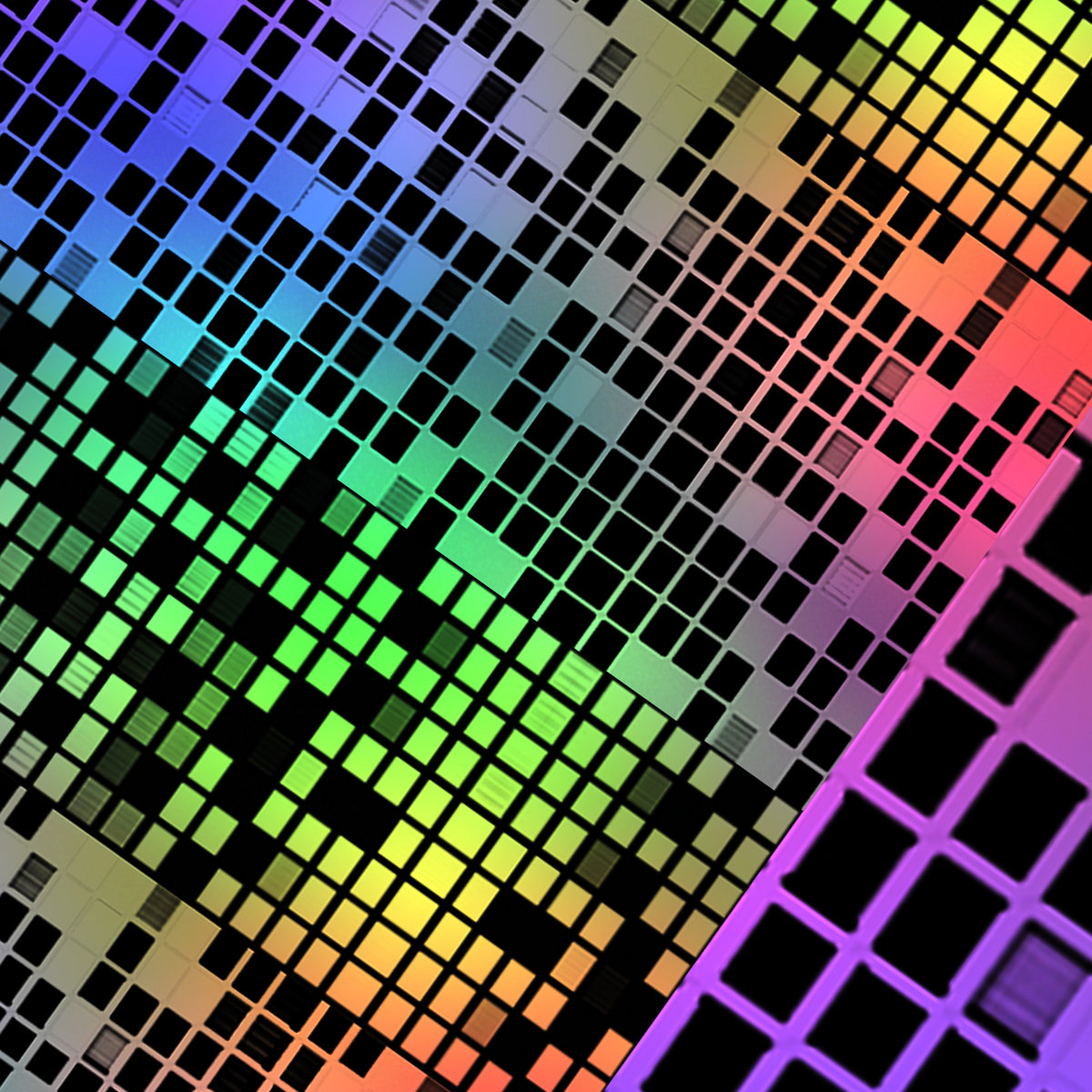 When motifs or elements are repeated, alternated, or otherwise
arranged, the intervals between them or how they overlap can create
rhythm and a sense of movement. In visual rhythm, design motifs become
the beats. Rhythms can be broadly categorized as random, regular,
alternating, flowing, and progressive.To create rhythm in the picture you need to have repetition of line,
shape, color, or style in the picture or a combination of these things.
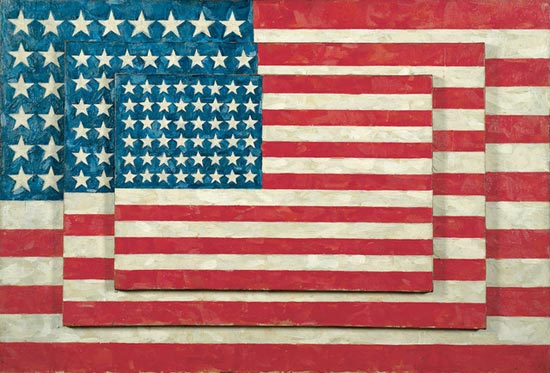

Regular Rhythm - Like a heart or song with a steady beat, regular rhythm is created by a series of elements, often identical or similar, that are placed at regular or similar intervals, such as in grids. Simple regular rhythms, if overused, can be monotonous.
Movement is the illusion of motion created by lines, shapes or color that cause the eye to move over the design along those shapes, where as rhythm is the regular repetition of lines, shapes, or color that creates a pattern to the overall design. A rhythm in the picture can also create a movement. For example the famous Starry Night painting by Van gogh, The picture shows movement by the unique painting of cloud/wind which seems to move from left to write, where as the same style of shape is used for stars, moon and the overall color gives a rhythm to the whole design.
 Another example of rhythm and movement.
Sources: http://flyeschool.com/content/movement, http://flyeschool.com/content/repetition-rhythm-and-pattern, http://abcofdesign.com/2010/03/difference-between-movement-and-rhythm.html
Subscribe to:
Posts (Atom)